Begin with attention.
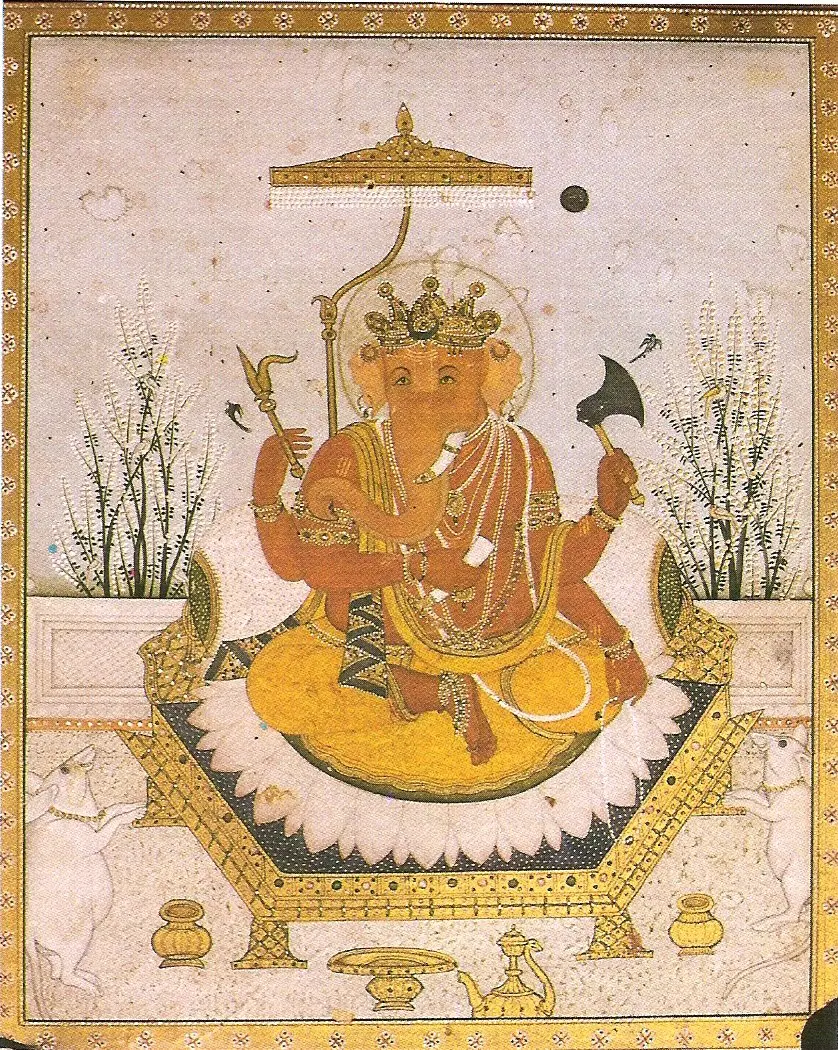
Semester One follows the Gaṇeśa Path: foundations of yogic practice, teaching, and leadership. The apprentice encounters tradition, establishes sādhana, learns to observe, and meets obstacles as places for discernment.
Senses approaches yoga as a living field of education—embodied, contemplative, interdisciplinary, and developed through sustained practice rather than information alone.
Explore the School’s current educational philosophy, learner journey, Heroic Yogi Apprenticeship, and Schools of Practice in a chapter-by-chapter reader.
The common developmental foundation connecting embodied practice, contemplative study, story, consciousness, self-inquiry, and service. Apprentices meet yogic teachings not only as concepts, but through archetypal lenses that ask how wisdom becomes lived character.
Distinct lenses through which students encounter practice, philosophy, relationship, ecology, creativity, and consciousness.
Movement, sound, storytelling, literary arts, sacred image, ritual imagination, and embodied forms of learning approached with context and care.
Focused explorations—including Sanskrit, advanced yoga philosophy, Dreamscaping, mythology, contemplative psychology, research, and other evolving areas of study.
The apprenticeship uses figures and stories from yogic traditions as lenses for practice, inquiry, and service. They are studied in historical and religious context, then carried into reflection with care—not treated as costumes or personality labels.
Semester One follows the Gaṇeśa Path: foundations of yogic practice, teaching, and leadership. The apprentice encounters tradition, establishes sādhana, learns to observe, and meets obstacles as places for discernment.
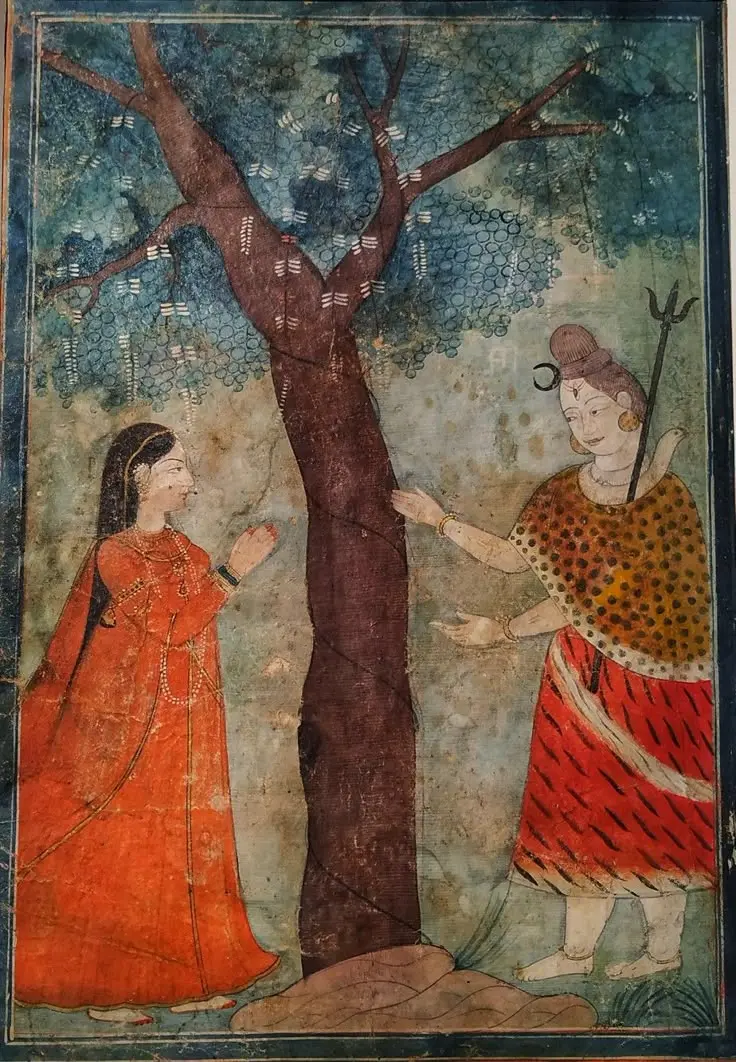
Śiva invites stillness, disciplined attention, and the courage to release. Śakti reveals creative power, movement, relationship, and the energy through which practice becomes transformation.
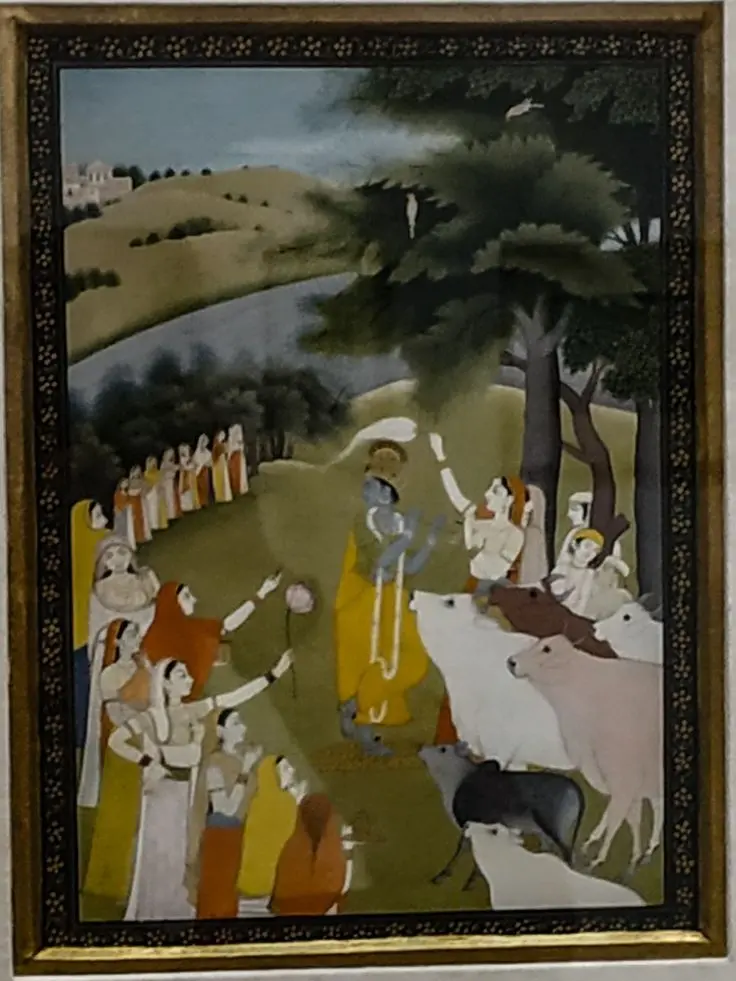
Kṛṣṇa opens inquiry into devotion, relationship, play, wise action, and the inner discernment required when life presents complexity rather than certainty.
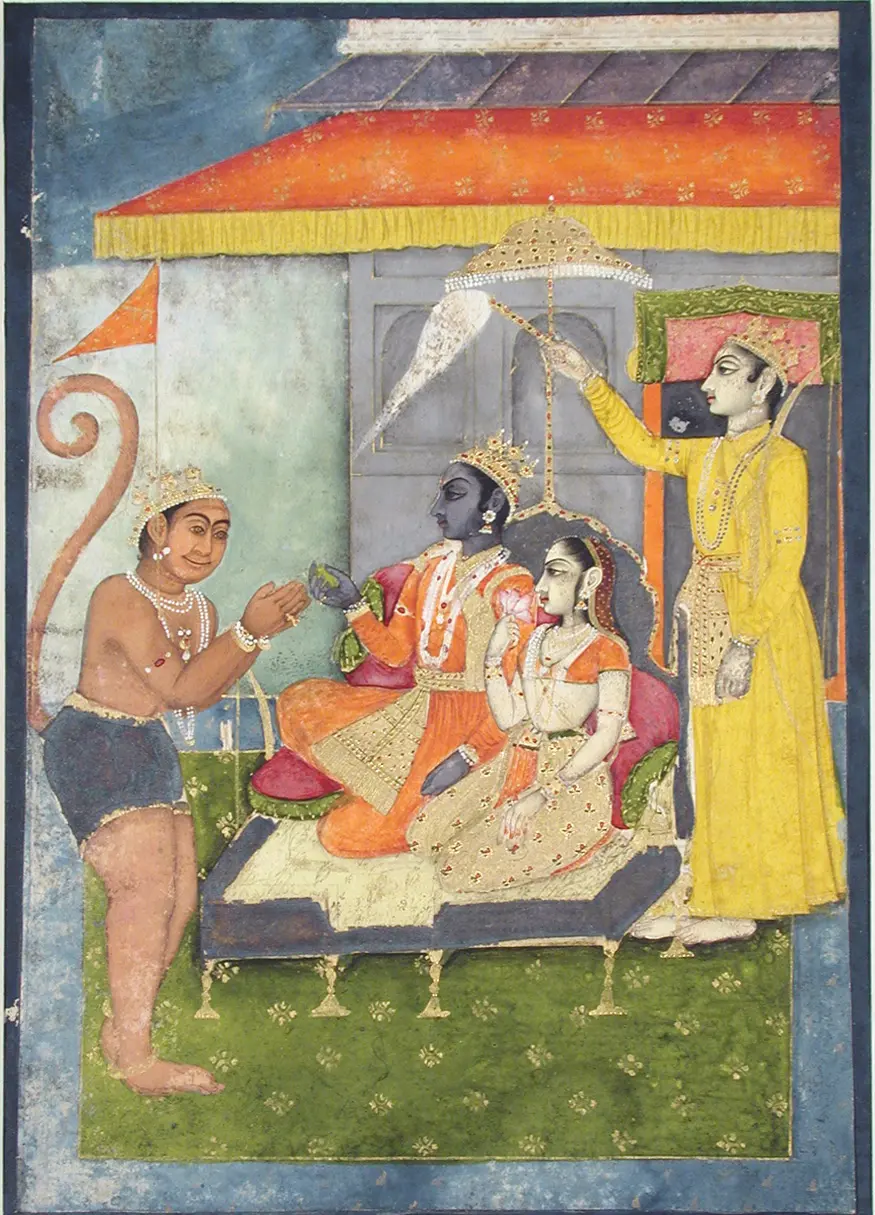
The Rāmāyaṇa becomes a narrative field for studying dharma, exile, integrity, relationship, courage, and service. Rāma asks how principle becomes responsible action; Sītā reveals inner strength and fidelity to truth; Hanumān embodies devotion, humility, focus, and strength offered in service.
The Heroic Yogi path also learns through elemental, philosophical, devotional, and interfaith figures already named in the apprenticeship invocation. They are companions for reflection—not interchangeable deities, doctrines, or identities.
Traditional study artworks: Gaṇeśa, Śiva–Pārvatī, Kṛṣṇa, and Rāmāyaṇa paintings via Wikimedia Commons. The Hanumān game-concept image has been removed from this page so the apprenticeship is represented through traditional sacred art.
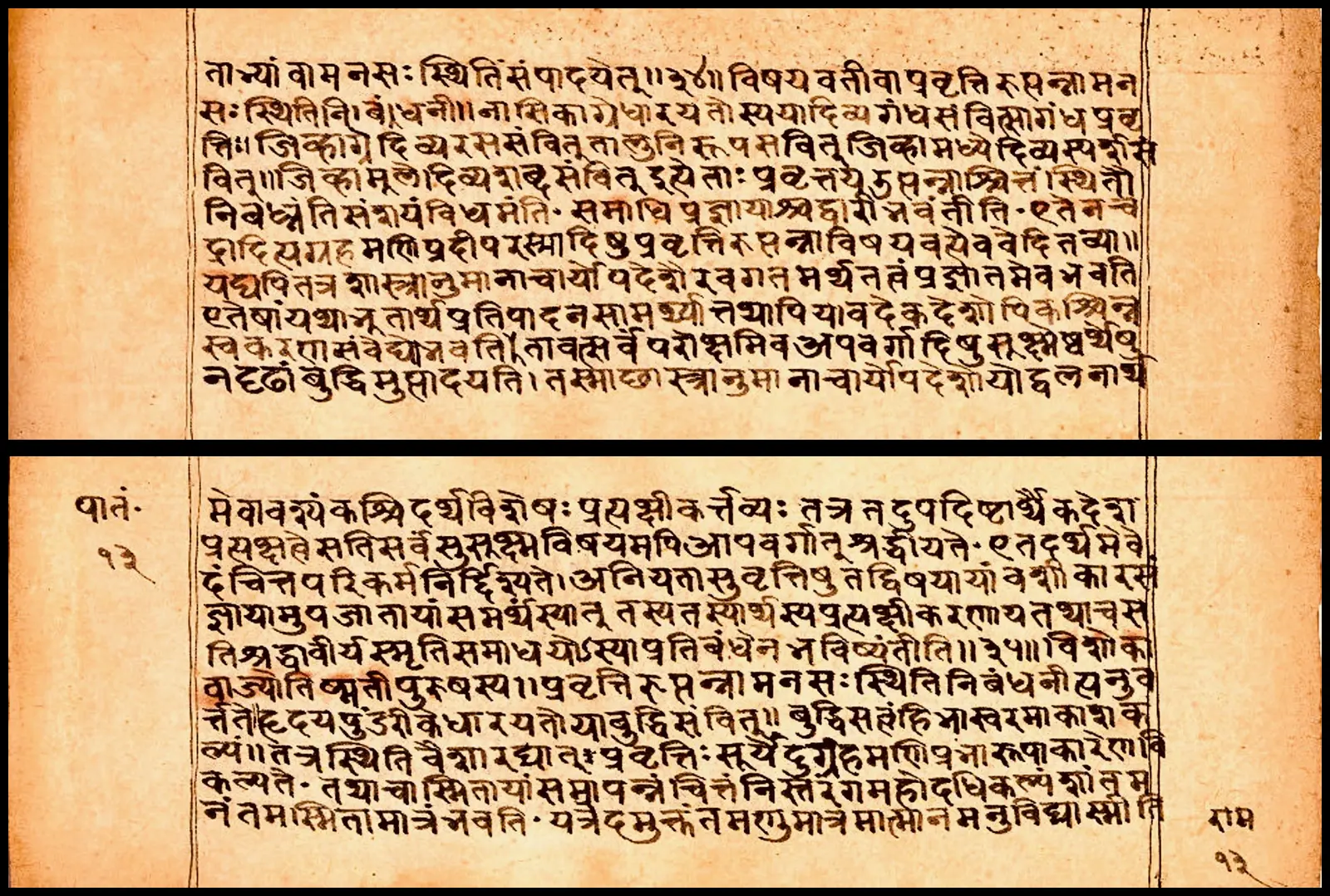
Students meet yogic and Vedic thought through embodied inquiry. Texts, stories, Sanskrit seeds, archetypal images, contemplative arts, and philosophies of consciousness are studied alongside the realities of body, relationship, land, and service.
The school does not ask learners to abandon discernment. It asks them to deepen it.
Practice
Embodied disciplines and living practice resources
Study
Philosophy, story, consciousness, and inquiry
Language
Sanskrit seeds and careful engagement with key terms
Reflection
Journals, observation, integration, and self-study
Identity
Archetypal development and the learner's evolving story
Service
Community stewardship and applied responsibility