Home / Schools / Prakṛti
School of Prakṛti · YAGI

A living curriculum.

YAGI is the living, place-based expression of the School of Ecology, integrating ecological literacy, stewardship, foodways, yoga, creative practice, observation, workshops, and community leadership.

What changes when we return to a place with care?

Explore your field of practice →
Observe.
Protect.
Restore.
Cultivate.
School of Prakṛti · Ecology & Stewardship

Prakṛti

We learn by caring for the places we share, preparing food together, and returning to practice. YAGI and Foodways are different ways into the same School of Prakṛti.

Learning cycle: Study → Practice → Direct Experience → Observation → Reflection → Application → Continued Study.

Heroic Yogi · Living reflections

Begin with an experience. Follow the question.

The Heroic Yogi blog on Patreon shares reflections from the school’s unfolding practice. Read, notice what speaks to you, and follow that curiosity into study, community participation, or service.

Explore Heroic Yogi on Patreon →
School of Prakṛti · Community service areas

Find your field of service.

Choose the kind of care you want to practice. These service areas connect YAGI, Foodways, and shared learning within one school.

These areas help us match people with current needs. Placement availability, partner participation, and supervision are confirmed individually.

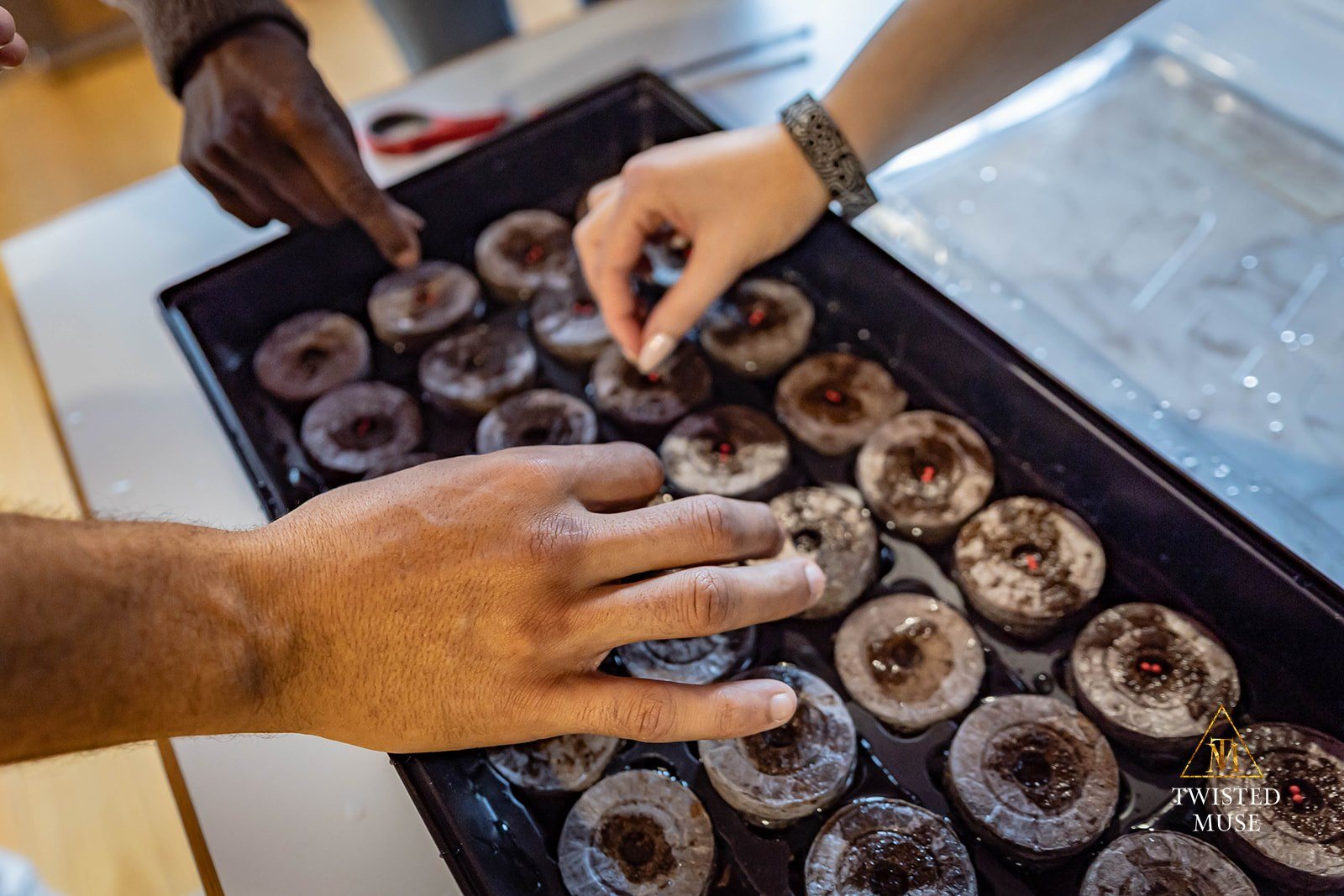
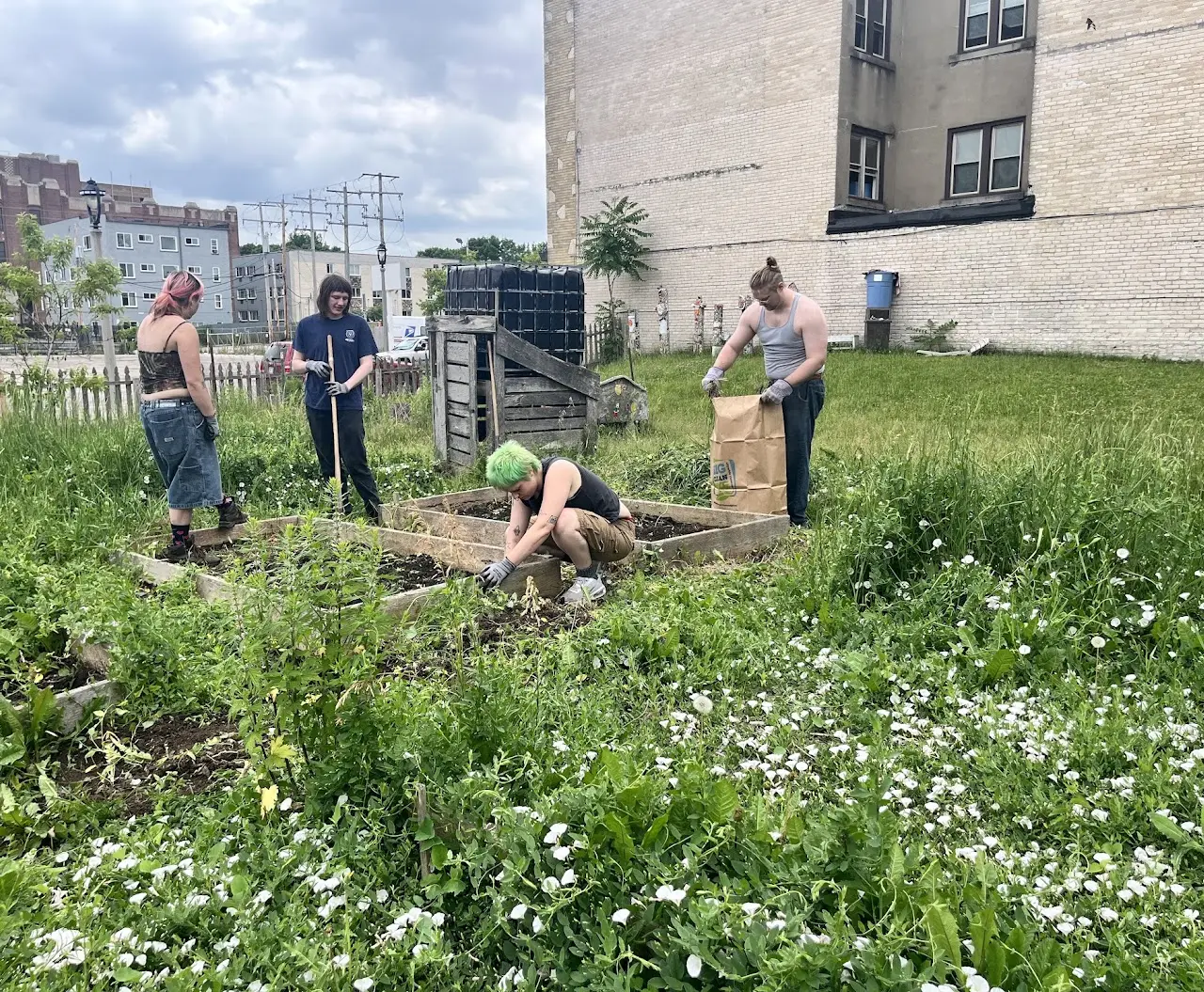
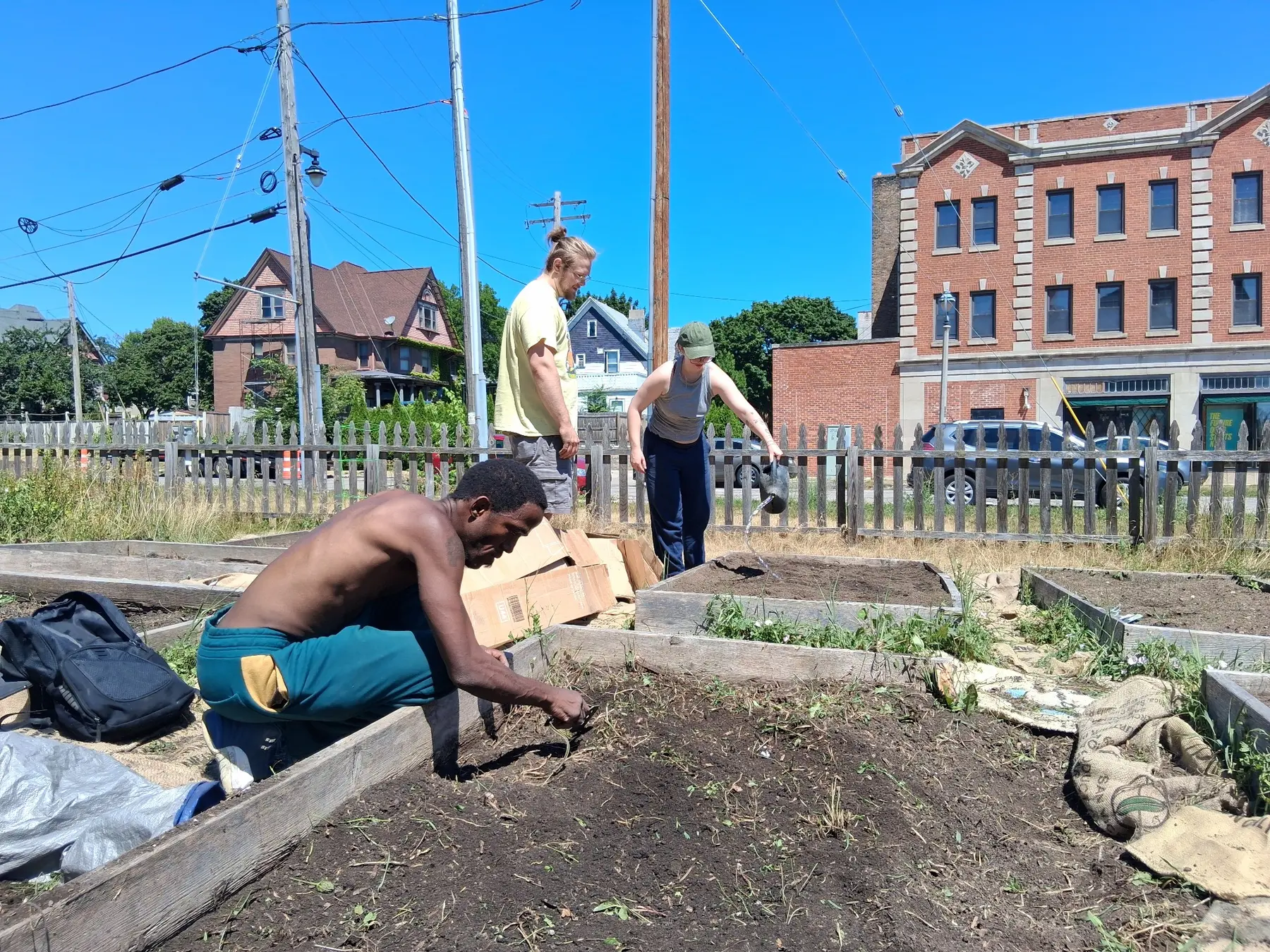
Community stewards tending the raised beds at YAGI
01 · YAGI

Garden & Site Stewardship

Begin with the care of a shared place. YAGI connects garden work with observation, ecological learning, and returning through the seasons.

How you can serve
Garden bed care, soil and compost work, seasonal site maintenance, and field observations.
What you practice
Ecological observation, practical stewardship, teamwork, and field documentation.
Where the work happens
Garden Park / YAGI; tasks and seasonal workdays are confirmed with the school.
Placement arrangements

Share your interest through the volunteer form. The school confirms current work, preparation, supervision, schedule, and recordkeeping before a placement begins. Apprenticeship credit requires a separately approved Semester II placement.
Explore the YAGI story →

Express interest in this service area
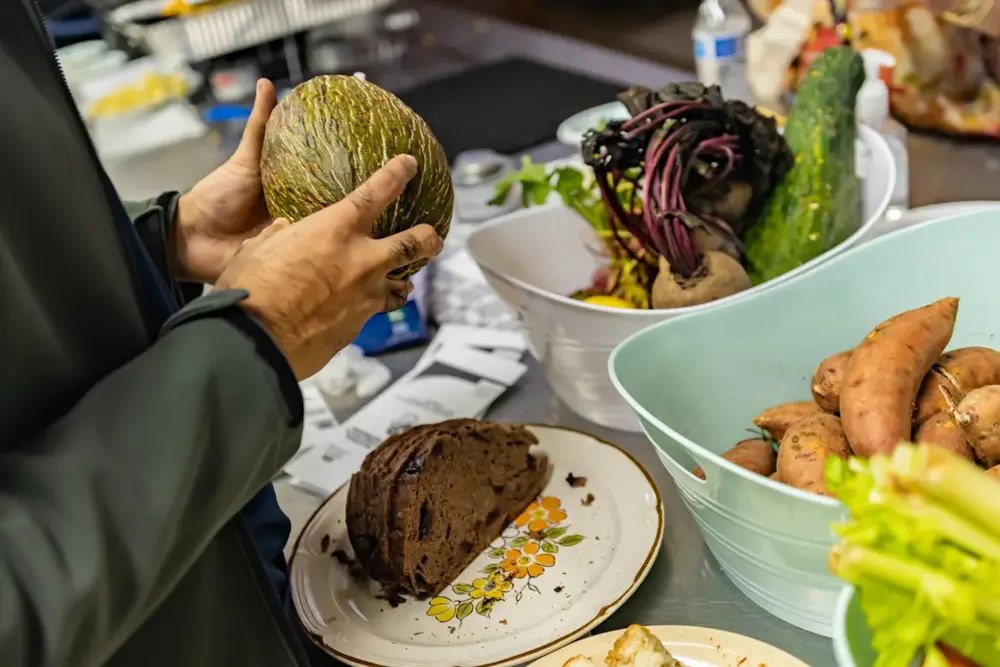
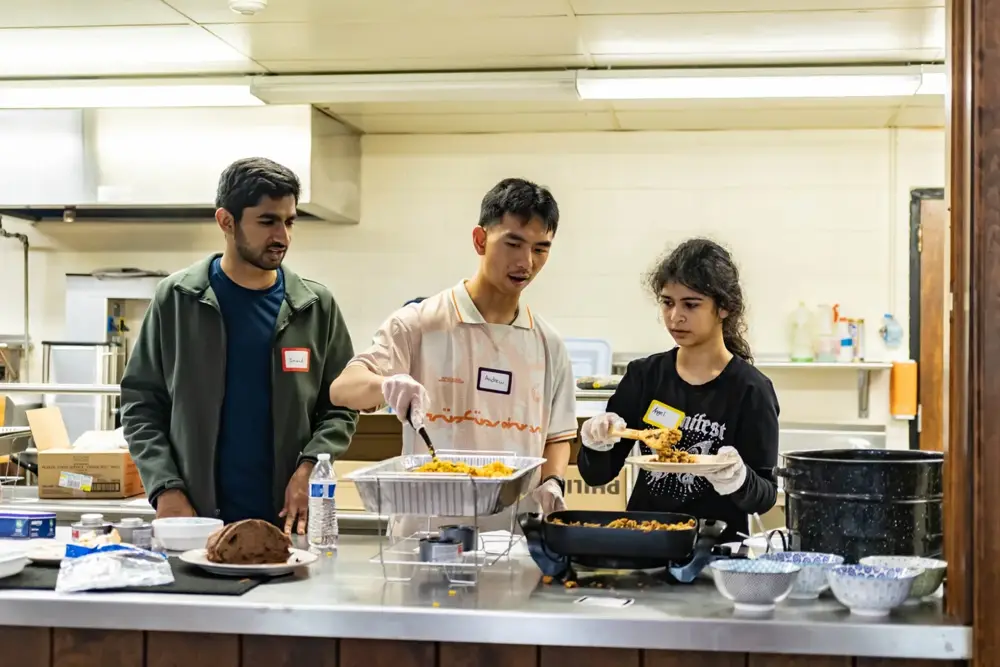
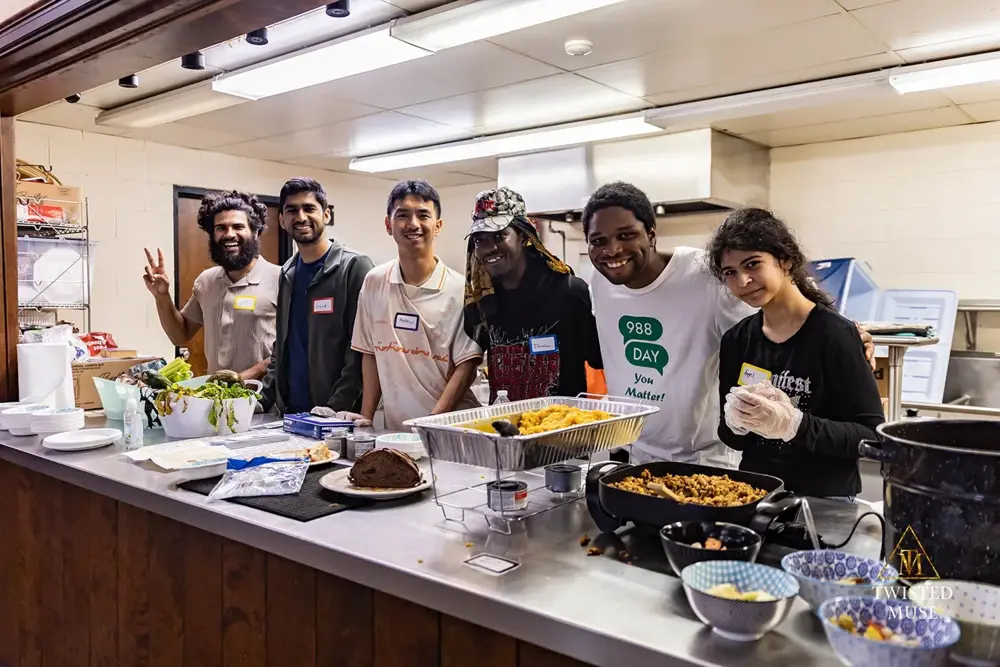
Foodways contributors preparing a shared meal together
02 · Foodways

Community Foodways

Begin with a shared meal. Foodways connects donated ingredients, cultural recipes, preparation, and community nourishment.

How you can serve
Support ingredient coordination, supervised meal preparation, serving, recipe records, and educational materials.
What you practice
Food coordination, collaborative cooking, recipe documentation, and welcoming service.
Where the work happens
School Foodways activities and agreed community events; the site and supervising contact are confirmed for each assignment.
Placement arrangements

Share your interest through the volunteer form. The school confirms current work, preparation, supervision, schedule, and recordkeeping before a placement begins. Apprenticeship credit requires a separately approved Semester II placement.
Explore the Foodways recipes →

Express interest in this service area
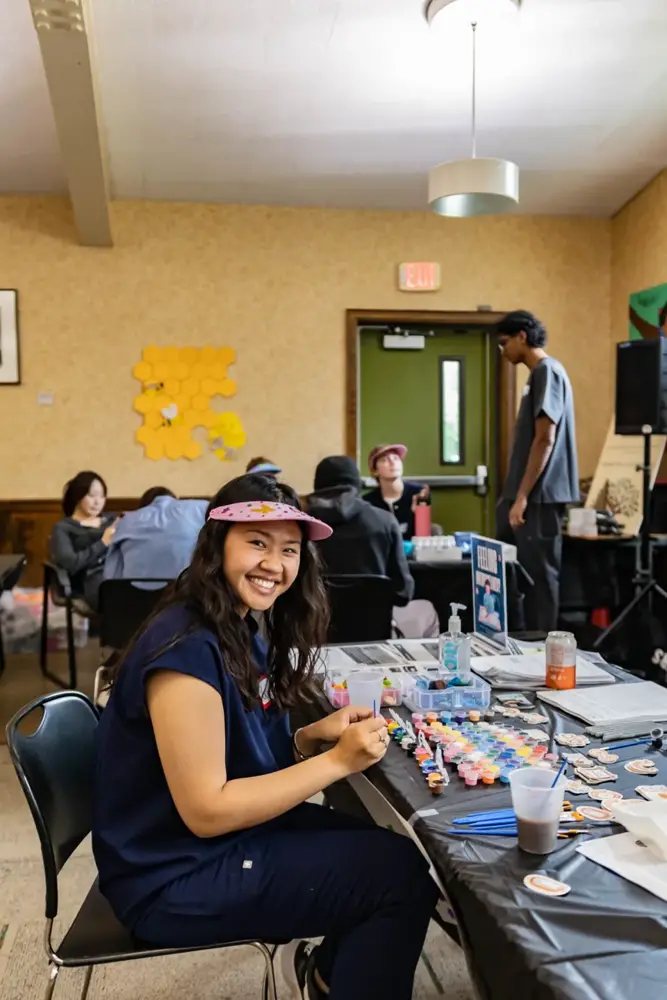
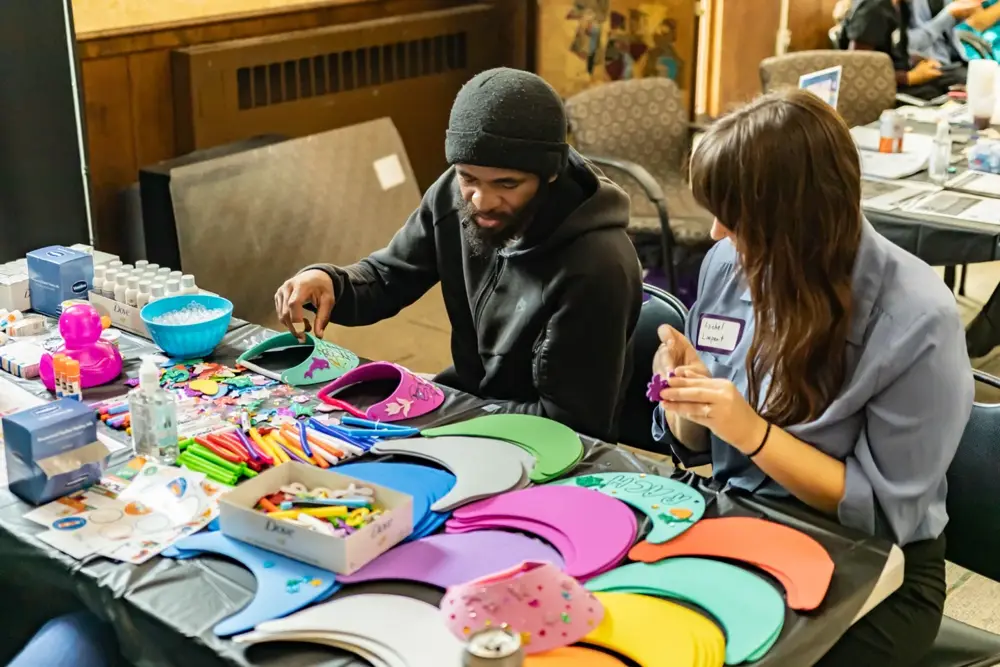
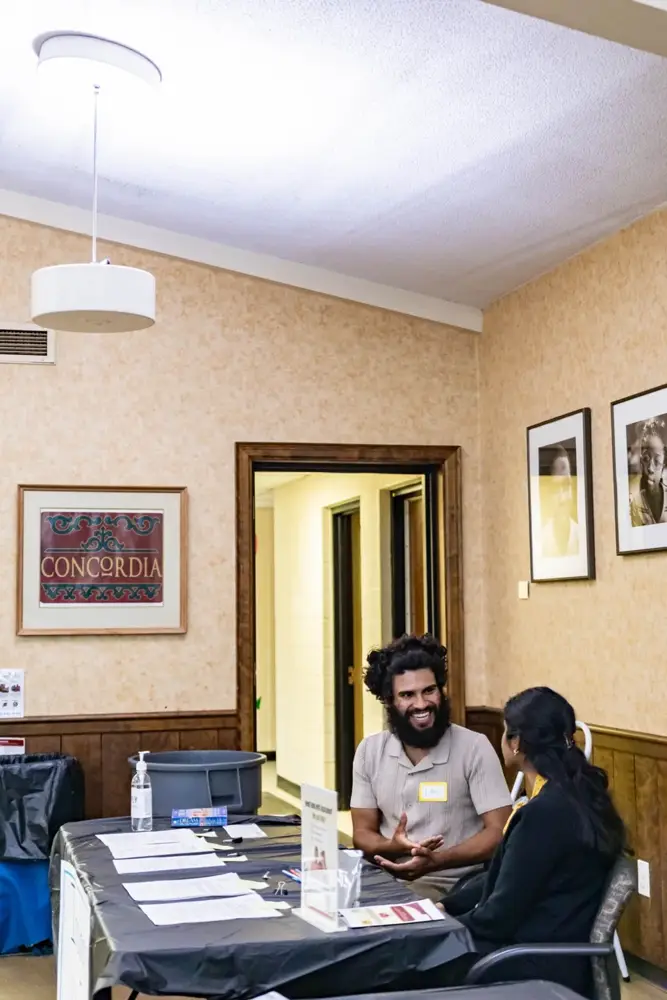
Luan leading an intuitive Dream Dictionary exercise at a health fair exhibit table
03 · Shared learning

Community Learning & Engagement

Begin with a conversation. Help people connect with the school’s learning materials, activities, and one another.

How you can serve
Support event setup, welcoming, learning tables, educational materials, and approved reflection activities; document the work with participant permission.
What you practice
Facilitation support, attentive listening, accessible communication, and reflective documentation.
Where the work happens
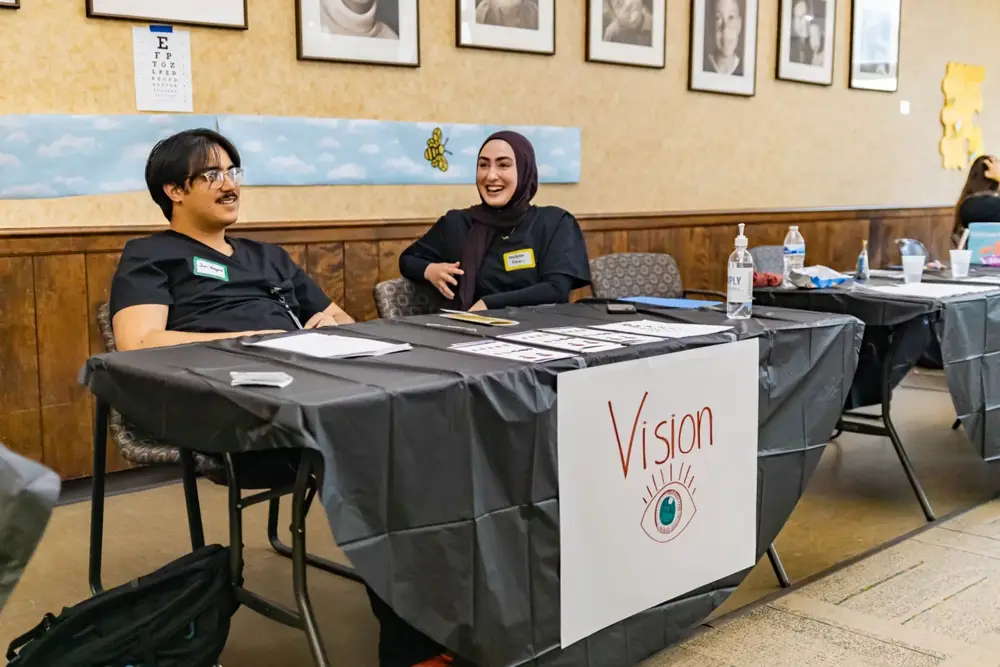
School-led gatherings and agreed events. The Neighborhood House health fair is an example of past service, with Saturday Clinic exhibit tables and Luan’s Dream Dictionary exercise.
Placement arrangements

Share your interest through the volunteer form. The school confirms current work, preparation, supervision, schedule, and recordkeeping before a placement begins. Apprenticeship credit requires a separately approved Semester II placement.
Explore the connection with Specialized Studies →

Express interest in this service area

Choose how you participate.

Community volunteer: begin with the volunteer interest form for current service opportunities. Heroic Yogi apprentice: explore the Semester II field-placement framework and agree on supervised work, learning goals, and evidence with the school. Both routes can contribute to the same service areas.

Community Foodways · September 19, 2026

43 neighbors nourished at the health fair.

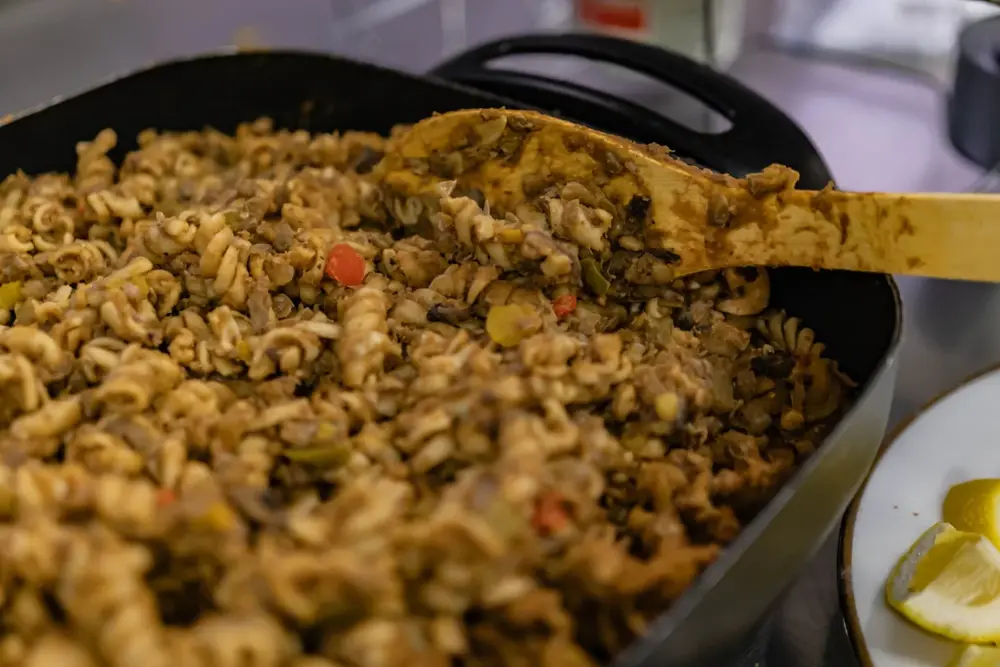
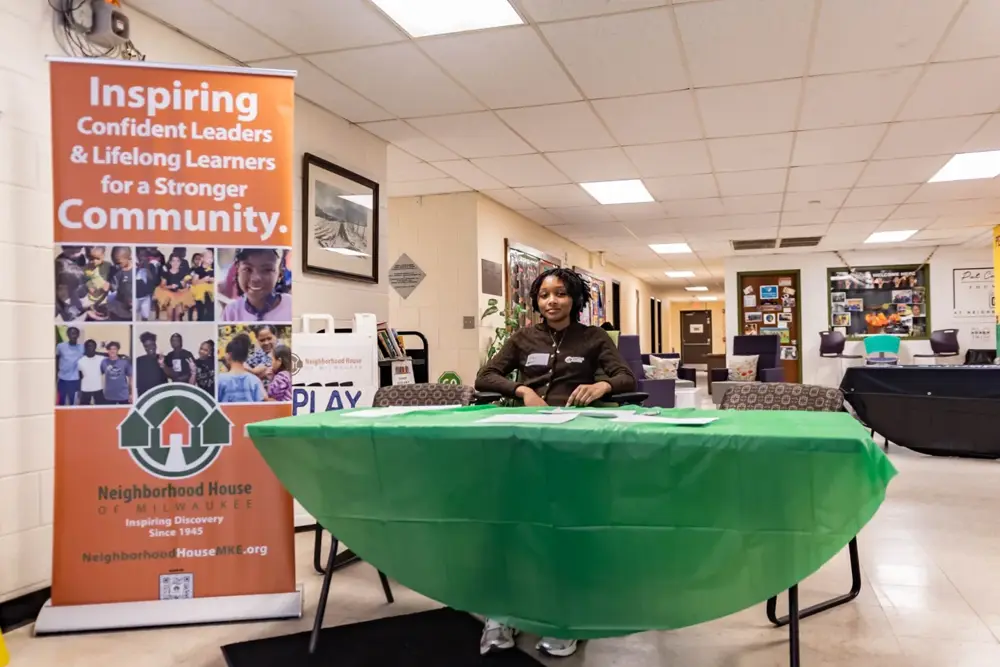
At the health fair hosted by Neighborhood House, with exhibit tables from the Medical College of Wisconsin’s Saturday Clinic for the Uninsured, Senses Yoga School's Foodways contributors helped provide food for 43 people. The effort brought together donated produce, culturally rooted cooking, and practical nutrition education.

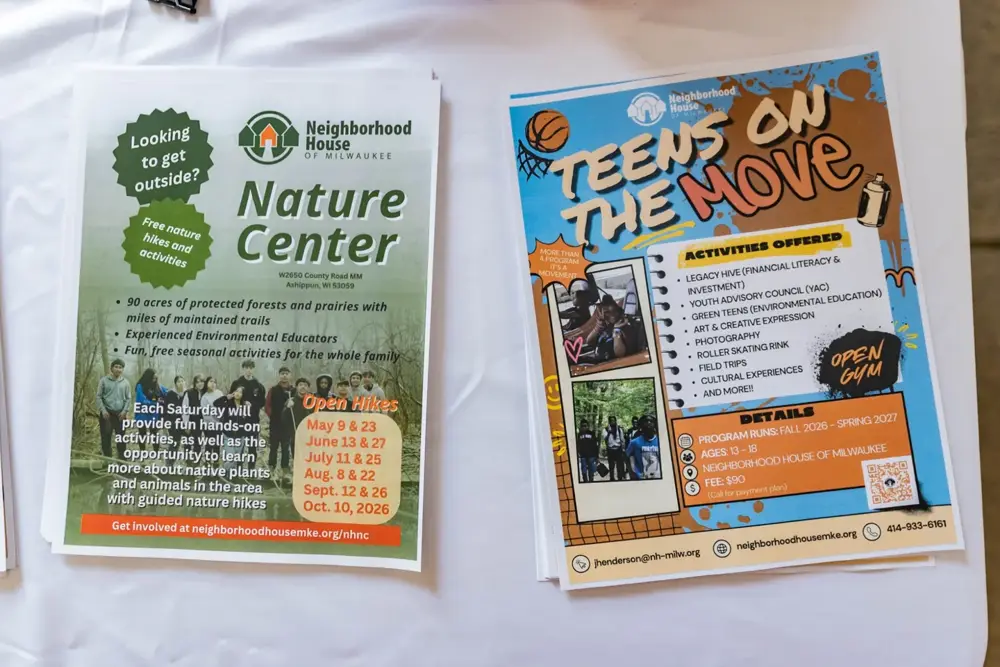
Our host and fellow exhibitors: Neighborhood House hosted the community health fair. The Medical College of Wisconsin’s Saturday Clinic for the Uninsured participated through exhibit tables. The clinic is run by medical and pharmacy students and provides free health services to uninsured people in Milwaukee. Learn about the Saturday Clinic →

Foodways contributors included Ibrahim Khalil Labib Jafuneh, Andrew Jiang, Imaad Said, and Luan Seguim-Arnold, with additional cooking assistance from the team. Produce support came from Gathering Table.

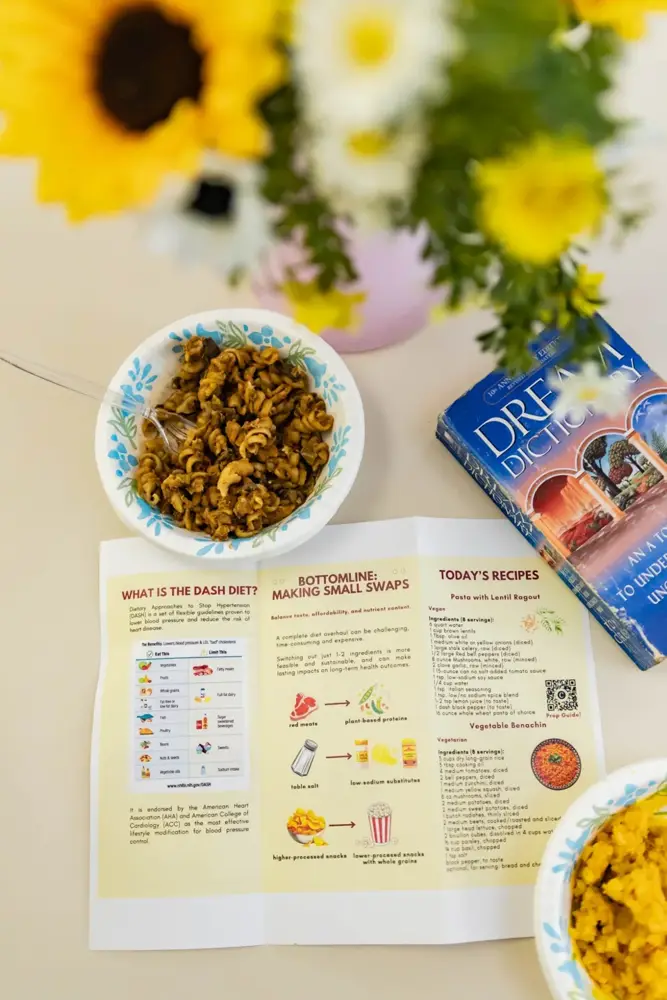
The educational materials explored accessible, affordable food substitutions and the DASH approach to heart-healthy eating. The recipes below are preserved from the shared educational Canva; the ingredient lists may differ from the exact portions prepared on event day.

Growing through community care

Many hands. A shared table.

Our school grows through the people who show up: cooking, tending the garden, sharing what they know, and helping one another. Every contribution becomes part of our community’s practice.

The Foodways group gathered with smiles around the dishes they prepared for the Neighborhood House community health fair
Foodways community at the Neighborhood House health fair · Photo 2 · Photography: Twisted Muse / Anyssa Camacho.
Grow with our community
From tending the beds to sharing the table

Care takes many forms.

The work moves between soil, food, and the people around us. Garden stewardship, Food Not Bombs, and Foodways offer connected ways to practice care through the School of Prakṛti.

Community stewards working together among the YAGI garden beds
Food Not Bombs stewardship at YAGI · Returning to the land and caring for a shared place.
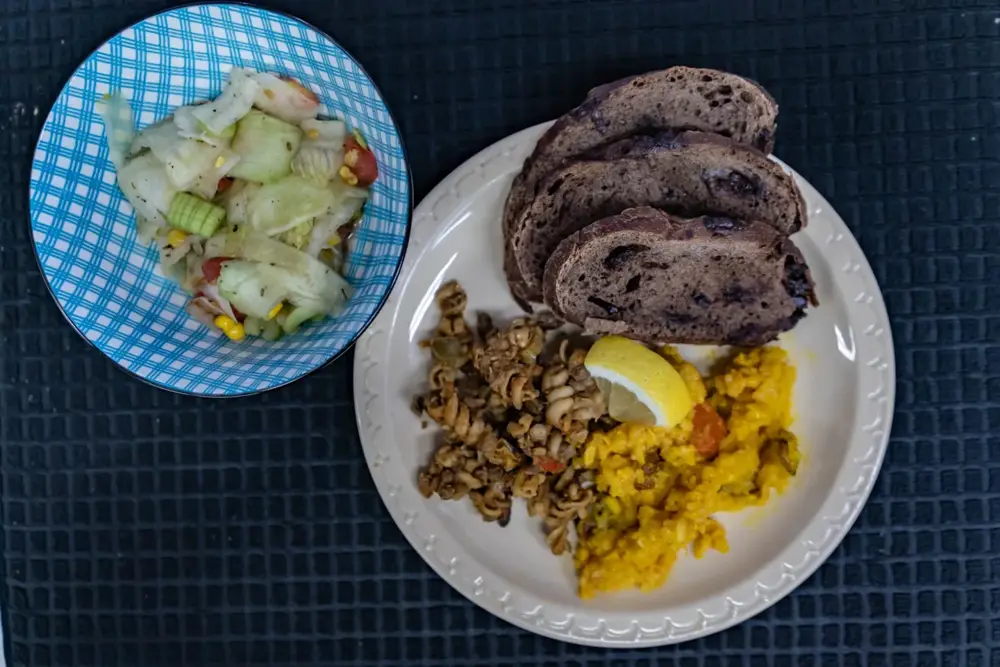
Prepared vegetables, rice, and bread served at the community health fair
Foodways · Preparing a meal to share. Photo 145.
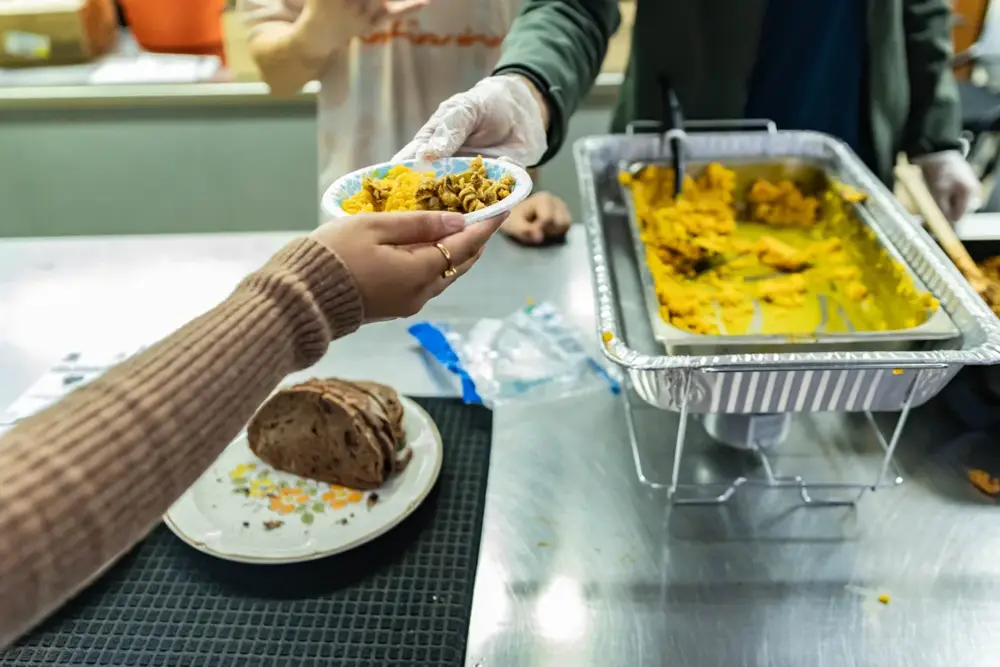
A freshly prepared meal being handed to another person at the health fair
Foodways · Nourishment passed from one person to another. Photo 340.
A nutrition guide with recipes and food substitutions beside a prepared meal, sunflowers, and a Dream Dictionary from the Library of Consciousness
Photo 372 · A shared table for nourishment, education, and study. Photography: Twisted Muse / Anyssa Camacho.
Foodways · Library of Consciousness · Specialized Studies

A meal. A guide. A book. A place to begin.

The nutrition guide sits beside the food it helped introduce, with recipes and practical food substitutions available for people to explore. Learning becomes something we can share at the table and carry into daily life.

Beside it is Dream Dictionary, a book from our Library of Consciousness connected with the School of Specialized Studies. This moment brings different parts of the school together: nourishment and ecological care through Prakṛti, and dream exploration and reflective study through Specialized Studies.

One community, with many ways to learn.

Community Health Fair · September 2026

Food, learning, and connection.

Cooking together, sharing a meal, and making room for conversation are part of our Foodways practice. These moments bring the work of our School of Ecology into community life.

Photography: Twisted Muse / Anyssa Camacho. Open a photograph to explore the story with previous and next controls. Original photo numbers remain in the captions.

Alongside the food and health exhibits, Luan Seguim-Arnold brought an intuitive Dream Dictionary exercise around the exhibit tables, inviting moments of reflection, mindfulness, and community connection. Photo 295 captures this practice in conversation.

School of Prakṛti · Living Foodways Archive

Recipes shared through community service.

The first entries come from Imaad Said's DASH Diet Education Canva for the September 2026 health fair. These are ingredient guides for eight servings; full preparation methods are being documented with contributors.

01 · Vegetarian · 8 servings

Vegetable Benachin

A vegetable-centered version of benachin, highlighting rice, seasonal produce, herbs, and accessible substitutions.

View ingredients
  • 3 cups dry long-grain rice; 3 tablespoons cooking oil
  • 4 tomatoes; 2 bell peppers; 1 zucchini; 1 yellow squash
  • 8 ounces mushrooms; 2 potatoes; 2 sweet potatoes
  • 1 bunch radishes; 2 cooked or roasted beets; 1 head lettuce
  • 2 bouillon cubes dissolved in 4 cups water
  • ½ cup parsley; ¼ cup basil; 1 teaspoon salt; black pepper to taste
  • Optional to serve: bread and cheese

Preparation steps pending contributor review. Check bouillon ingredients for dietary needs.

02 · Vegan · 8 servings

Pasta with Lentil Ragout

Whole-wheat pasta with lentils, mushrooms, vegetables, tomato sauce, and herbs.

View ingredients
  • 6 quarts water; 1 cup brown lentils; 16 ounces whole-wheat pasta
  • 1 tablespoon olive oil; 1 onion; 1 large celery stalk; ½ red bell pepper
  • 8 ounces white mushrooms; 2 garlic cloves
  • One 15-ounce can no-salt-added tomato sauce; 1 teaspoon low-sodium soy sauce; ¼ cup water
  • 1 teaspoon Italian seasoning; 1 teaspoon low/no-sodium spice blend
  • 1–2 teaspoons lemon juice; black pepper to taste

Preparation steps pending contributor review. Contains wheat and soy unless substituted.

Source and credits: DASH Diet Education, shared by Imaad Said. Foodways contributors credited in the original educational material: Luan Seguim-Arnold, Imaad Said, Ibrahim Khalil Labib Jafuneh, and Andrew Jiang. Recipes are shared as educational resources, not individualized medical advice.

Visit & Practice
Open community hours, contemplative practice, observation, and seasonal offerings.

Learn & Serve
Garden stewardship, ecological observation, foodways, arts activations, workshops, and projects.

Teach & Steward
Develop an ongoing relationship with place through the YAGI Steward pathway.

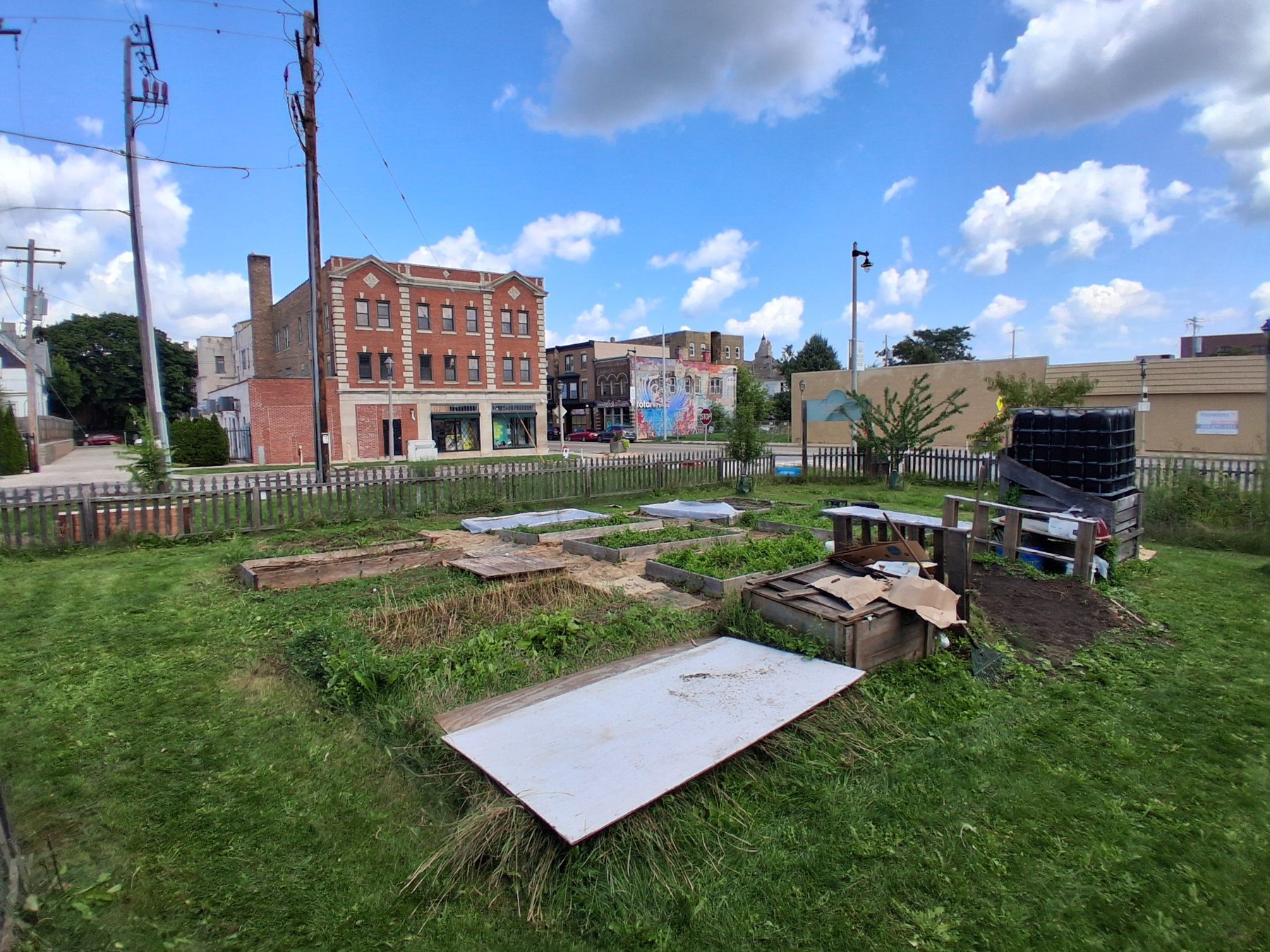
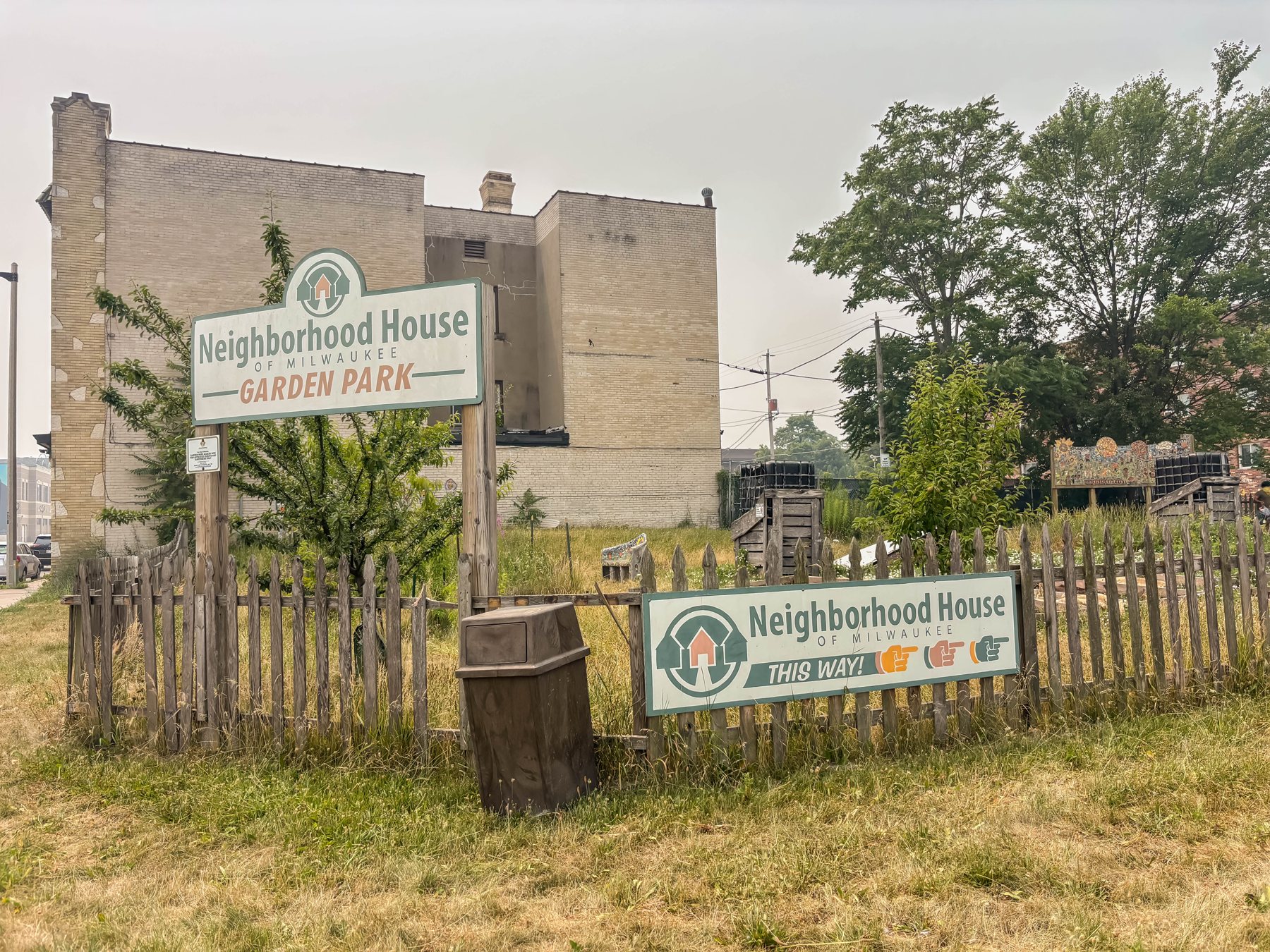
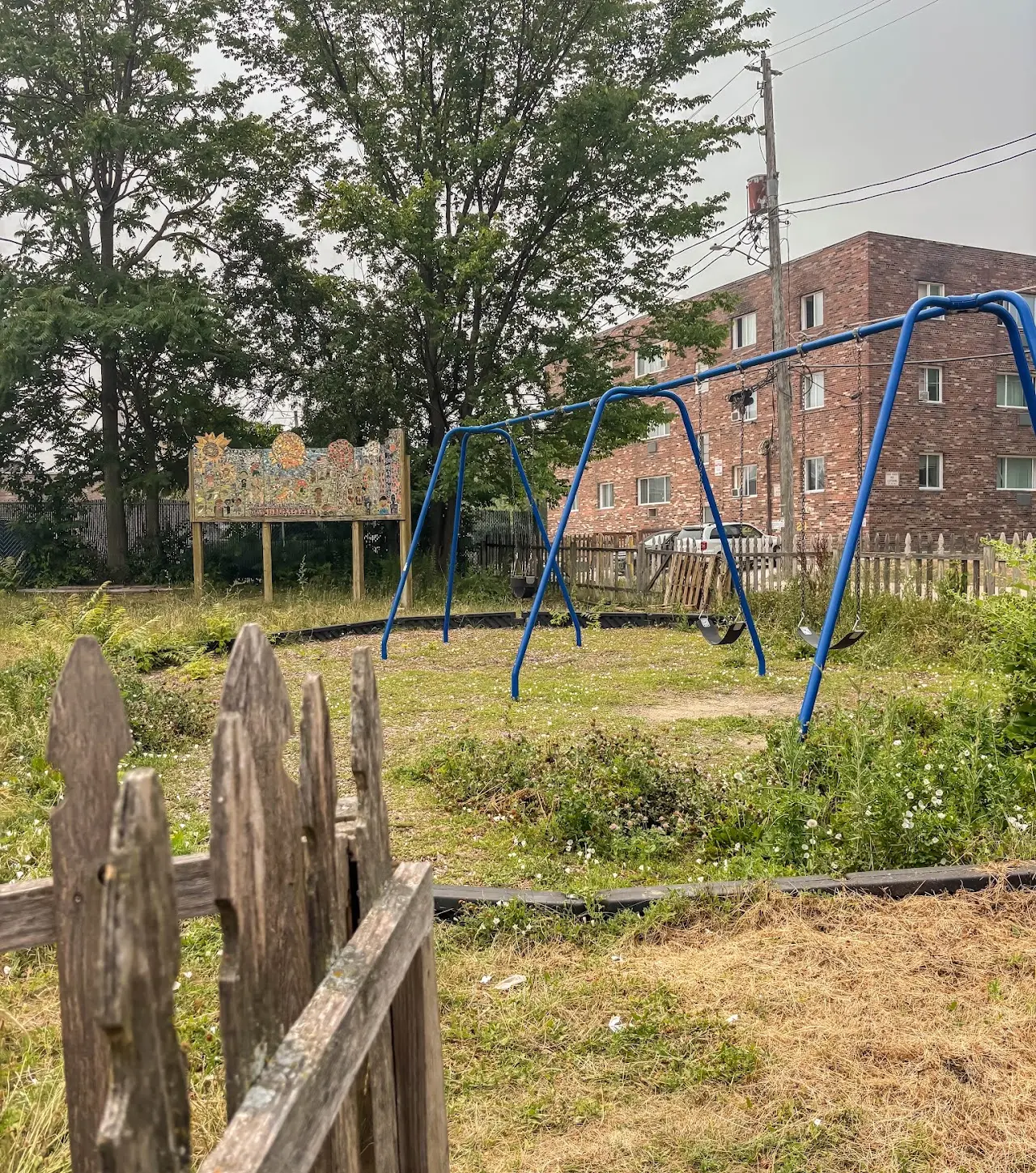
Garden Park YAGI site
Garden Park · current YAGI site documentation · August 2026
Place-Based Learning

The site is part of the curriculum.

Students and community members learn through observation, stewardship, practice, foodways, ecological care, documentation, and the changing conditions of a real place.

The YAGI Journey

A place changed through shared care.

The archive follows the work as it happens—from observing the site and tending soil to volunteers restoring beds, planting, documenting, and returning over time.